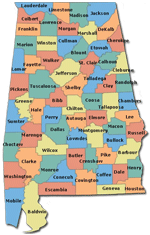

The Burleson Firm believes that there is no type of law that is more important or that has a bigger impact on society than family law. The outcome of most family law cases has a major long-term impact on the lives and futures of the parties involved. Many family law cases deal with some type of child custody issue. When a court decides these cases, the outcome affects our next generation and the future of our society. That is why The Burleson Firm is passionate about family law. We are a serious Alabama family law firm and can handle any type of family law issue including divorce, child custody, child support, alimony, and property division. At the Burleson Firm, your Alabama family law attorney will listen to your needs and concerns and explain your options in detail. Our law firm knows how to provide unique, creative approaches and solutions to complex and difficult issues.
If you are facing a family law case in Alabama, you need a qualified Alabama family lawyer. Choosing the right attorney for your case can increase your chance of a positive outcome. The Burleson Firm handles all types of family law cases and issues every day, but our law firm knows that your case is not routine to you. No two Alabama family law cases are exactly alike and no two clients’ needs and goals are exactly the same. The Burleson law firm believes that each client deserves a legal strategy that is custom tailored to their specific goals and needs.
The Burleson Firm seeks to provide high quality legal representation in the field of family law and our law firm will fight hard to achieve your goals. By recognizing how confusing and stressful this time can be, our law firm knows the importance of demonstrating understanding, patience and compassion. The Burleson law firm cares about your hopes and dreams for your family, your future and your finances. Your attorney also realizes that family law cases are often about more than just monetary assets. Family law issues can be emotional and concern the most personal areas of your life. You may have to fight just to maintain your standard of living and the quality of your life, both during and after a divorce. The outcome of your case can also determine how much involvement you will have with your children. If you want to increase your chance of success, you need an experienced, aggressive Alabama family attorney who will fight for you.
At The Burleson Firm, your attorney will seek an attention to detail from the beginning of representation. This thoroughness assists your attorney to plan the best strategy for your Alabama case as early as possible. At your initial consultation, we collect information about the facts of your family law issues. When you hire our law firm, we will ask you to complete a detailed questionnaire, which has been custom designed for your type of case. Our founding attorney writes each question based on over twenty years of legal experience. Your Alabama lawyer will review your answers with you and discuss your available options. Your family law attorney will then recommend the best alternatives and explain why. At The Burleson Firm, your family lawyer will take the time to answer your questions completely.
The Burleson law firm knows that your attorney's relationship with you should be a partnership and it is your lawyer's job to guide you through the Alabama family law process. However, it is not your lawyer's job to make your decisions about your future for you. At The Burleson Firm, your Alabama family attorney will treat you with respect, not condescension. Our law firm will work with you to plan a personalized family law strategy to maximize your chances of success. In this way, your attorney will determine the steps needed to prepare your Alabama family law case for both settlement negotiations and for trial. You and your attorney will then execute the resulting strategy together as a team.
Part of our family law strategy involves planning for trial. No matter what type of Alabama family law case you are facing, The Burleson Firm is serious about trial preparation. Most cases settle. For cases that are not resolved by negotiation, adequate trial preparation is essential.
Sometimes the opposing party refuses to be reasonable and resists making a fair settlement offer. However, the opposing attorney will always know that our law firm will not fail to prepare for trial. This approach can increase the opponent’s willingness to propose a favorable offer. The opponent's cooperation during settlement negotiations, in turn, can remove the necessity of trial.
In those situations when settlement is not reached, you can feel confident about moving forward. You will know that your Alabama family attorney has worked hard to prepare your family law case for trial. By understanding that your lawyer cares about the outcome of your case, you can enjoy peace of mind. You will never feel pressured to settle because of a lack of preparation by your attorney. Although there can never be a guarantee of any specific outcome, your choice of lawyer can affect your chance of success. If you choose The Burleson Firm, you will have confidence that we will aggressively seek the best outcome possible for your Alabama family law case.
From its central location in the Birmingham area, The Burleson Firm has been helping families with divorce and family law issues for over 20 years. Our founding attorney seeks to provide the type of representation that she would want for herself if she was in your place. For a free phone consultation, call us at 1(205)795-2033. Let The Burleson Firm schedule a no-obligation conference with an Alabama family attorney to guide you through this difficult time. At The Burleson Firm, we want to help bring you confidence and peace of mind during your journey through the Alabama family law system.